
Facts on this page were checked in September 2026. Sources are listed with each figure. Fiscal years in Pakistan run from July to June.
The short answer
| Question | Answer |
|---|---|
| Known for | Balochistan's capital and a trading hub for stone, dry fruits and minerals |
| Main export products | Marble and onyx, Dry fruits and nuts, Carpets and rugs, Gemstones |
| How goods leave | Containers by road to Karachi. Quetta railway and NLC dry ports. Chaman customs house on the Afghan border |
| Province | Balochistan |
| Do you buy our goods? | No. We are your US partner, not a distributor. You sell directly to US buyers. |
Quetta exports: the numbers
| Figure | Value | Source |
|---|---|---|
| Share of Pakistan's exports that clear in Quetta | 0.17 percent | Pakistan Single Window (PSW) assessment report, as reported by ProPakistani, 2024 |
| Share that clears at Chaman | 1.77 percent | Pakistan Single Window (PSW) assessment report, as reported by ProPakistani, 2024 |
| Pakistan's stone exports | About $48 million a year | Pakistan Stone Development Company (PASDEC) |
What Quetta makes for the US market
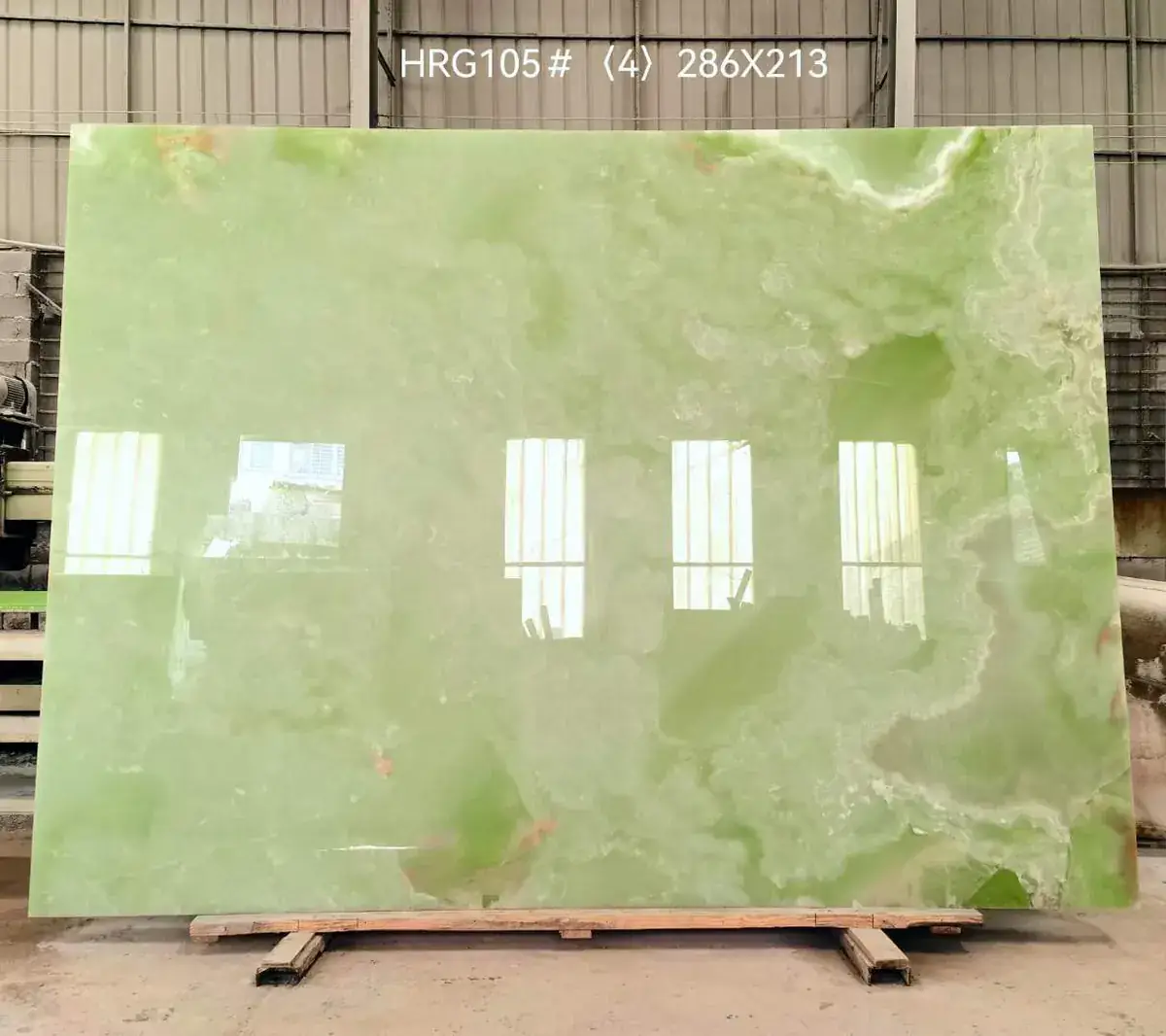
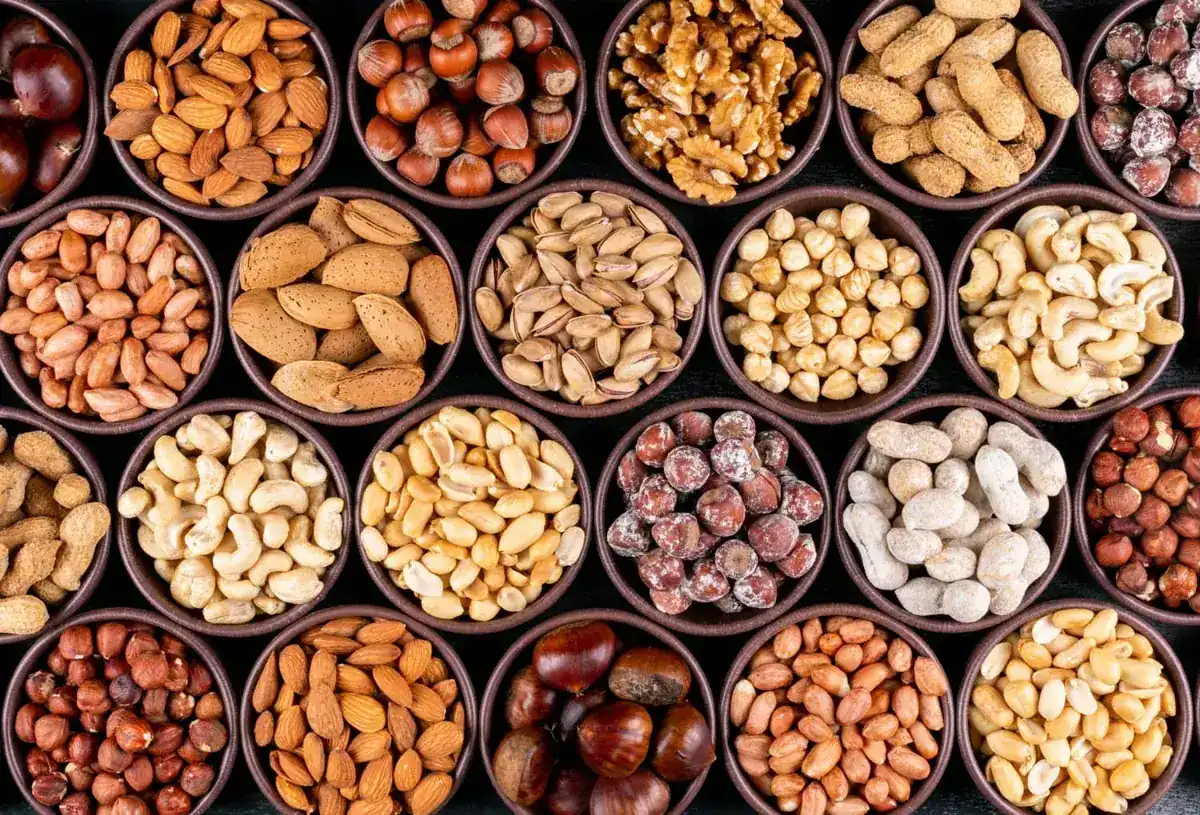
Quetta traders handle onyx and marble from Chagai, Khuzdar and Loralai, dates and almonds, handwoven rugs and minerals from across Balochistan.
Quetta traders handle onyx and marble from Balochistan, dry fruits, handwoven rugs and minerals. Most sea freight to the US goes through Karachi, so landed cost planning is important for heavy goods like stone.
Where the factories are
| Area | What is there |
|---|---|
| Quetta industrial estate | Small and medium units near the city |
| Marble City Gaddani, Lasbela | About 600 acres for stone processing, run by the Lasbela Industrial Estates Development Authority (LIEDA) |
| Hub Industrial and Trading Estate and Hub SEZ | Balochistan's main industrial area, next to Karachi |
| Winder Industrial and Trading Estate | About 230 acres, about 60 km from SITE Karachi |
How goods leave Quetta
Quetta has a railway dry port, set up in 1977 mainly for trade with Iran, and an NLC dry port set up in 2002. The Chaman customs house has served the Chaman-Kandahar route since 1955. For US exports, most goods go by road to Karachi's ports. Gwadar port, run by China Overseas Port Holding Company, is in Balochistan but still handles very little trade.
Business bodies in Quetta
- Quetta Chamber of Commerce and Industry (QCCI)
- All Pakistan Marble Industries Association (APMIA)
We name these organizations to help you find local support. It does not mean we have a relationship with them.
How we help Quetta exporters
- Register your US company with a Chicago address and US phone number
- Build your English website and catalog with US sizes and prices, built to be found on Google
- Set up Amazon USA or a Shopify store for retail sales
- Find US buyers by cold outreach, send samples from Chicago and follow up every quote
- Check buyers before you ship on credit
You never need to travel. We work by phone, video call and email, in English and Urdu. Chicago is 10 to 11 hours behind Pakistan, so US buyer questions are answered during the US working day.
How to start
- Tell us about your products. Use our quote form or call us.
- Get a plan and price. We reply by email with the package that fits and the full cost.
- We set up your US presence. Company, website, catalog and store, depending on your plan.
- We start selling. Outreach to US buyers begins and you get a report every month.
Common questions
How do Quetta exporters ship to the US?
Most goods move by road to Karachi and then by sea. Your freight forwarder plans the route. We help you price on a landed cost basis.
Is there US demand for Balochistan onyx?
Yes. Onyx is used in US homes for decor, lighting and surfaces. Stone yards and designers are the main buyers.
Can Balochistan marble and onyx reach US buyers?
Yes. US stone importers and fabricators buy slabs and tiles, and gift companies buy onyx products. Mechanized mining now gives bigger, better blocks, which helps quality.