
This article was checked in September 2026. Rules and figures change, so confirm them before you act. We are not lawyers or tax advisers.
The short answer
| Question | Answer |
|---|---|
| Must every product show its origin? | Yes. Imported goods, or their containers, must be marked with the country of origin. |
| Textile labels? | Fiber content, origin, maker or seller, plus care instructions. |
| Knives and instruments? | Permanent marking on the item itself. A sticker is not enough. |
| Children's products? | Tracking labels, testing and a Children's Product Certificate. |
Key takeaways
- Label before shipping. Relabeling in the US is costly.
- Use simple English on every label.
- Keep test reports for anything that needs them.
- Ask buyers for their own label specs early.
Country of origin
Almost every imported product, or its package, must show where it was made in English, such as Made in Pakistan. The mark must be easy to see and hard to remove.
Items that need permanent marking
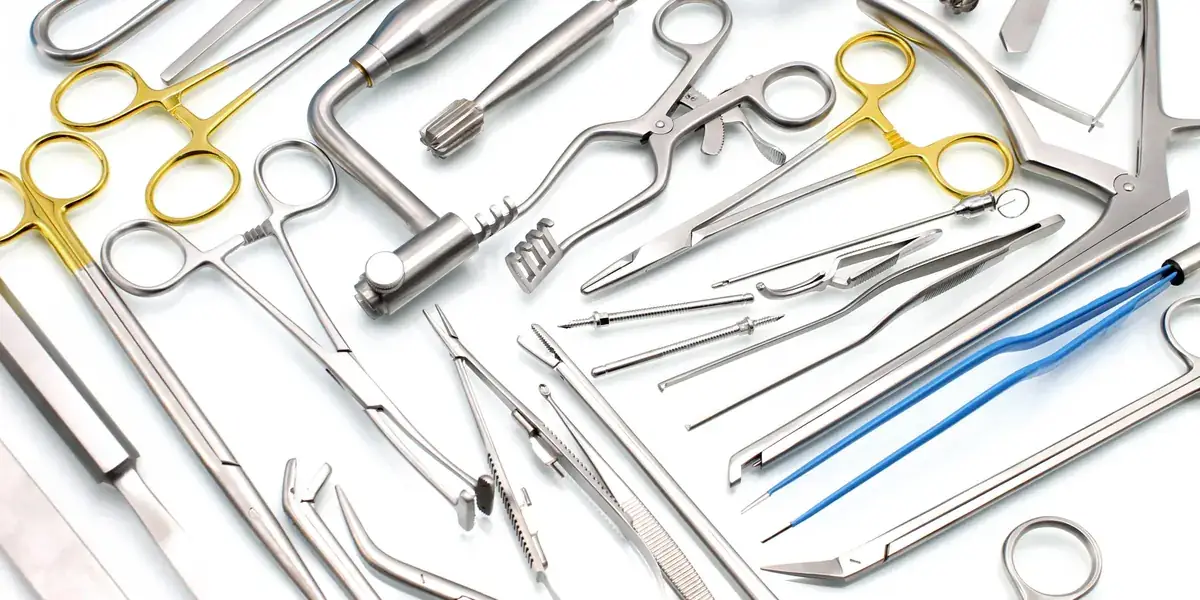
Some items must be marked on the item itself, for example by die stamping, etching or engraving. This includes knives, scissors, clippers, surgical and scientific instruments and pliers. For Sialkot and Wazirabad makers, this rule matters a lot. See surgical instruments and cutlery and knives.
Textiles and clothing
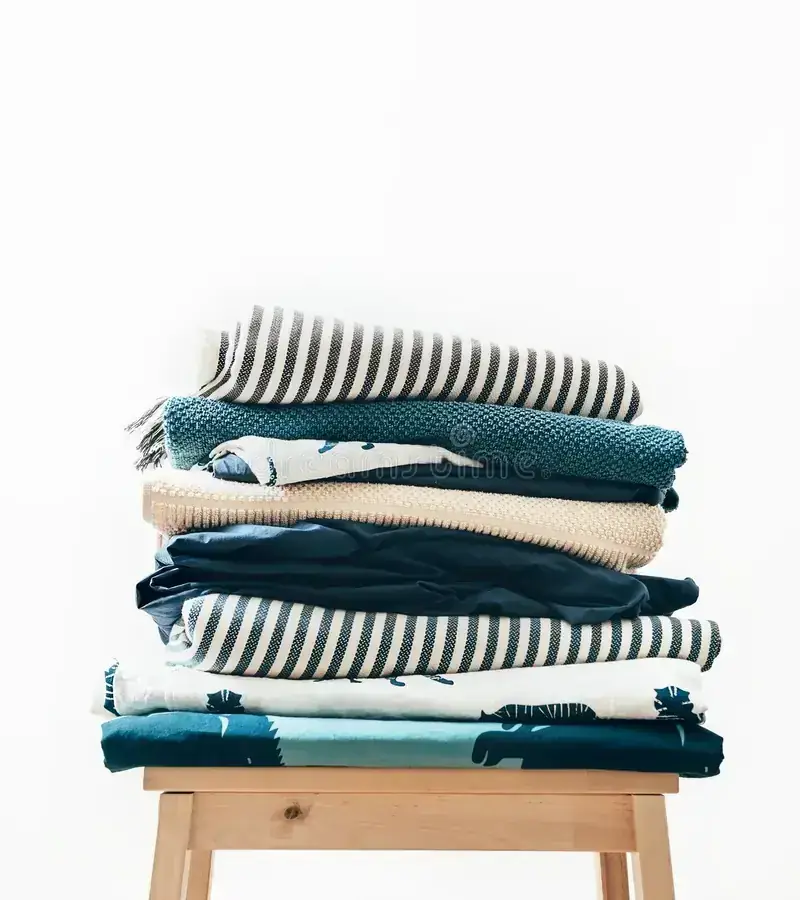
Textile products need a label showing:
- Fiber content by percentage, such as 100 percent cotton
- Country of origin
- The maker or US seller, by name or by a registered identification number
- Care instructions, such as washing and drying
Wool products have their own similar rules.
Leather
Products must be described honestly. Terms like genuine leather, bonded leather or imitation leather have specific meanings under US guidelines.
Food
Food labels must be in English and include the product name, net weight in both metric and US units, ingredients, allergens, a nutrition facts panel and the name and address of the maker, packer or distributor. See our FDA guide.
Children's products
Products made mainly for children under 12 need permanent tracking labels, third-party testing at an approved lab and a Children's Product Certificate.
California warnings
California requires warnings on products that expose people to certain chemicals, such as lead. Many US buyers ask suppliers to confirm this before they sell in California.
Check with your buyer
Many US buyers have their own label and packaging rules on top of the law. Ask for their supplier manual before you print anything.
Knives, instruments and rugs
| Rule | What it means for you | Who is in charge |
|---|---|---|
| Knives, scissors and instruments | Permanent origin marking on the item itself, by etching, stamping or engraving. | CBP |
| Rugs and carpets | Fiber content label, and federal flammability standards for carpets and rugs. | FTC and CPSC |
Do not say Made in USA
Products made in Pakistan must not be labeled or marketed as Made in USA, even if they are packed or finished in the US. The FTC enforces this strictly.
Label checklist before you ship
- Country of origin on every item or its package
- Fiber content and care labels on textiles
- Maker or seller identity (name or RN number)
- Tracking labels on children's products
- FDA label format on food
- The buyer's own label specs, approved in writing
Want us to handle this for you?
We are a US office in Chicago for Pakistani exporters. We set up your US company, build your website and find US buyers. You sell to them directly.
Keep reading
 Rules and shippingUS customs and duties
 Rules and shippingFDA registration for Pakistani exporters
 Getting startedExport to USA from Pakistan
Common questions
Does every product need a Made in Pakistan label?
Almost every imported product or its package must show its country of origin in English. Some items, like knives and surgical instruments, must be marked on the item itself.
What must a clothing label show in the US?
Fiber content, country of origin, the maker or seller, and care instructions.
What happens if my labels are wrong?
US Customs can hold the goods until they are relabeled, which costs time and money, or refuse them.
Can the label say Made in Pakistan in small print?
It must be legible and in a place where buyers can see it. For some products, such as instruments, it must be permanent on the item.
Who checks labels?
US Customs can hold goods at entry, and the FTC, FDA and CPSC enforce their own rules after sale.